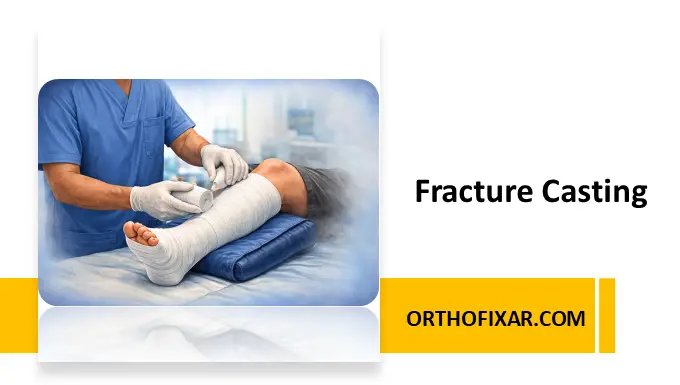
Fracture Casting: Principles, Techniques & Complications
Fracture casting remains a cornerstone of non-operative orthopedic management. The primary goal of casting is to provide semirigid…
Read Full Entry →Basic Science in orthopedic surgery. Basic Science of bones, muscles, ligaments and joints. Biomechanics in orthopedic surgery.
Fracture casting remains a cornerstone of non-operative orthopedic management. The primary goal of casting is to provide semirigid…
Read Full Entry →
In the field of precision medicine and performance of minor surgeries, the quality and design of medical devices…
Read Full Entry →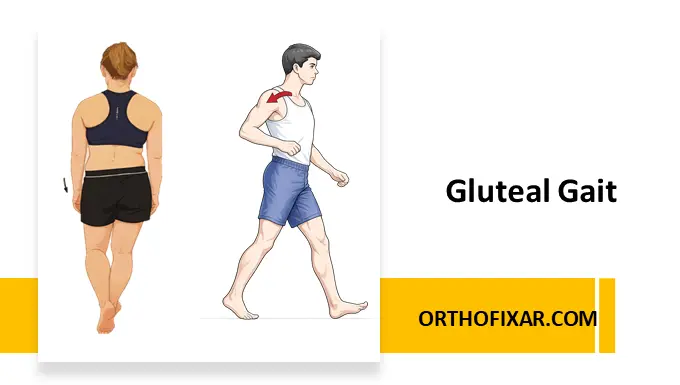
Gluteal gait is an abnormal walking pattern resulting from weakness or dysfunction of the gluteal muscles, which play…
Read Full Entry →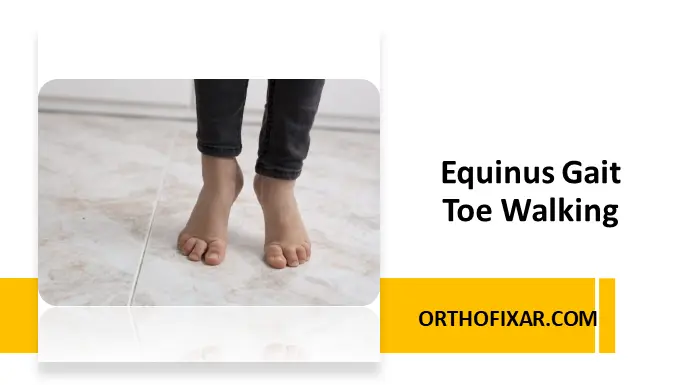
Equinus gait, commonly referred to as toe walking or tiptoe gait, is a pathological gait pattern most frequently…
Read Full Entry →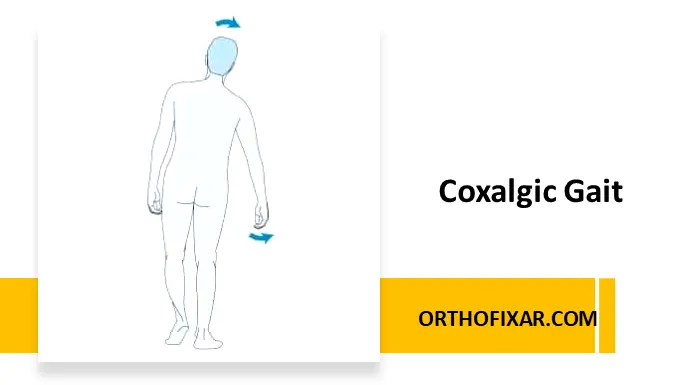
Coxalgic gait is a common abnormal walking pattern encountered in patients with hip pathology, particularly degenerative conditions such…
Read Full Entry →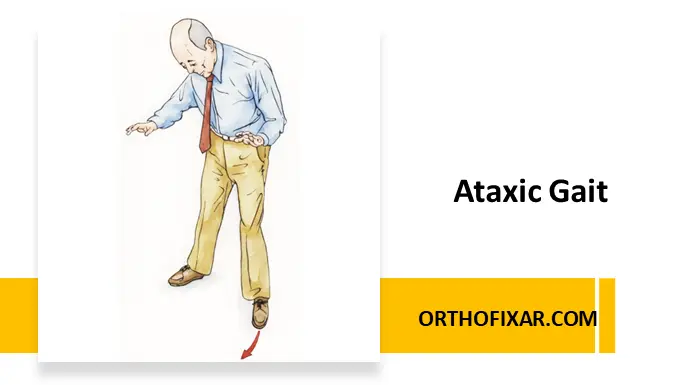
Ataxic gait is a neurologic gait abnormality characterized by impaired balance, poor coordination, and an unsteady walking pattern.…
Read Full Entry →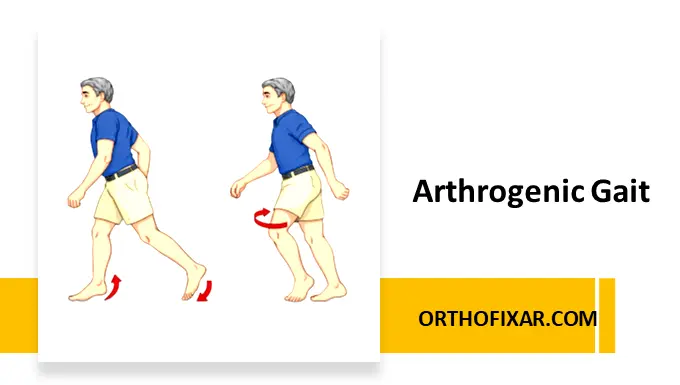
Arthrogenic gait is an abnormal walking pattern caused by joint pathology rather than muscle weakness or neurologic disease.…
Read Full Entry →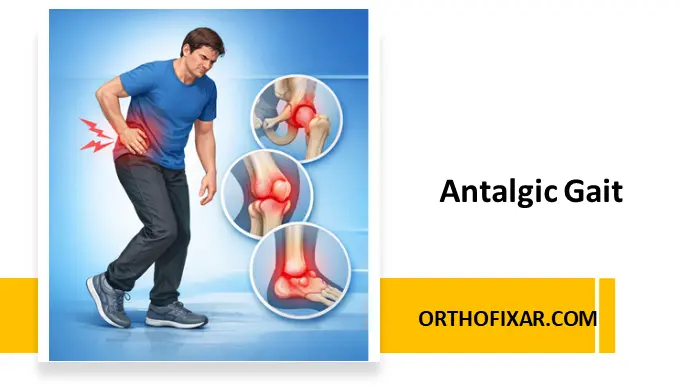
An antalgic gait, also referred to as a painful gait, is a compensatory walking pattern adopted to minimize…
Read Full Entry →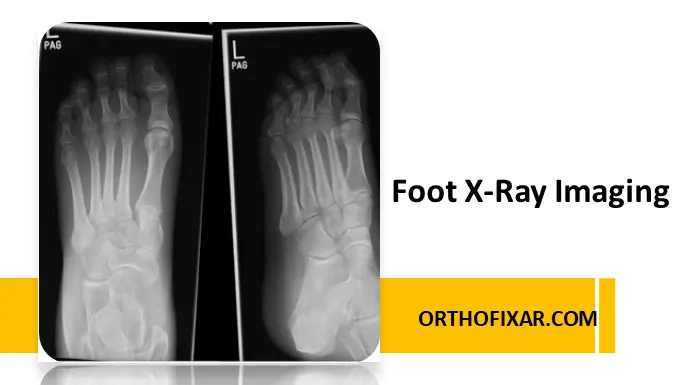
Foot X-ray imaging is a fundamental diagnostic tool in musculoskeletal radiology. It is routinely used to evaluate traumatic…
Read Full Entry →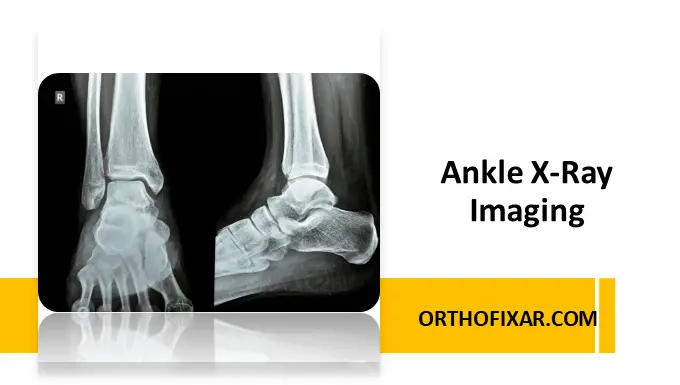
Ankle X-Ray imaging is a fundamental diagnostic tool used to evaluate trauma, pain, deformity, and developmental conditions of…
Read Full Entry →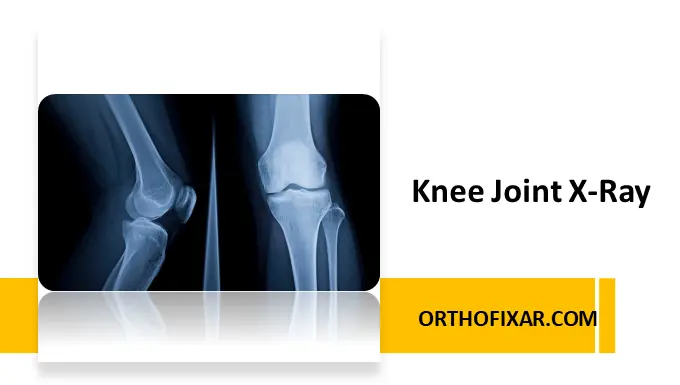
Knee joint X-ray imaging remains a cornerstone in the initial evaluation of knee pain, trauma, deformity, and degenerative…
Read Full Entry →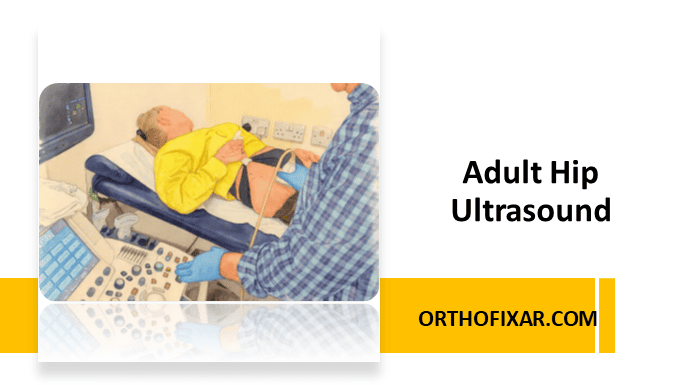
Adult hip ultrasound is an essential tool for evaluating both intra-articular and extra-articular pathologies of the hip joint.…
Read Full Entry →